


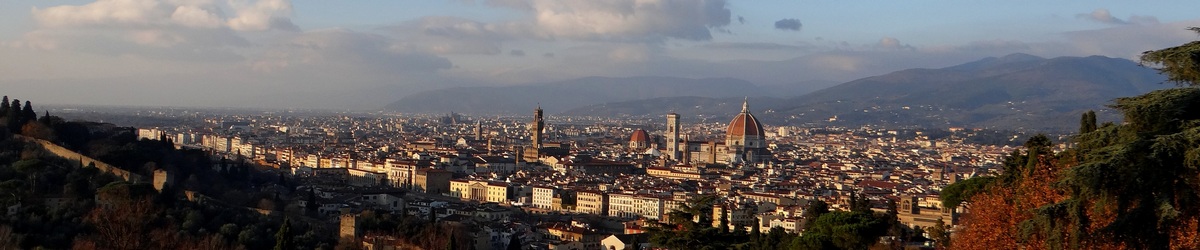
Explorations of a city that is famous for all its Romanesque churches!
I once again found myself in Spain, 5 years after my first visit. This time I decided to explore northwest Spain. First stop Zamora, in the region of Castile and León. On my previous visit, I visited a bunch of other places in Castile and León (check those posts out), but didn’t head west enough to get to Zamora. I got within an hour drive, though.
Zamora is known for its large collection of over 20 Romanesque churches, the most in one city in Europe. Zamora would be an early reconquest by the Christians during the 8th century invasions of the Iberian Peninsula by the Moors/Berbers. The city passed back and forth a bit but by the 10th century, Zamora stayed in Christian hands. Zamora had its “golden age” in the 10th-13th centuries, leading to many splendid churches being constructed. The churches were renovated very little after the 13th century when the city’s influence was waning.
 Jana Irving
 Palacio de los Momos, a Renaissance era building that now serves as the home of the Provincial Court.
 Jana Irving
 The city center of Zamora also has quite a few interesting (in a good way) modern buildings from the late 19th-20th centuries.
 Jana Irving
 The architecture really reminds me of Valladolid, which makes sense since the cities are only about 100 km (about 60 mi) apart.
 Jana Irving
 The 17th century Old Town Hall. The Old Town Hall had an 15th century predecessor. It was used as the town hall until 1950, when they moved to a new building…
 Jana Irving
 …right across the plaza. The New Town Hall faces the Old Town Hall. That’s a stork nest on the top.
 Jana Irving
 Now for the first Romanesque church, Santa María La Nueva.
 Jana Irving
 The 12th century church now serves as a small museum. Many of the Romanesque churches are part of a circuit you can buy a ticket for. It takes some planning to see a lot of them as they are closed on different days.
 Jana Irving
 Santa María Magdalena, a 12-13th century Romanesque church.
 Jana Irving
 That doorway is spectacular.
 Jana Irving
 Very tall for such as small church.
 Jana Irving
 The character of the city’s buildings changes drastically once you get closer to the cathedral.
 Jana Irving
 San Cipriano with more stork nests.
 Jana Irving
 Romanesque typically had very small walls because the walls had to be so robust to support itself. Thinner walls would show up later in the Gothic period.
 Jana Irving
 There’s a nice overlook nearby.
 Jana Irving
 The belltower of Santa Lucía is very popular with the storks.
 Jana Irving
 San Pedro y San Ildefonso, a church that started Romanesque, but has been altered a lot. There are elements of different styles from the 11th century to the 18th.
 Jana Irving
 That is definitely a Gothic ceiling. Altars are in the Baroque style of the 18th century. Altars tend to be the changed the most in churches.
 Jana Irving
 The altar is a bit strange. It’s tucked in under an archway, with a large shrine above it. The shrine holds the remains of Saint Ildefonsus of Toledo, a 7th century bishop that is considered one of the founders of Catholicism.
 Jana Irving
 Around the corner from the entrance is the actual front of the church. Here you can see some flying buttresses. Prior to the Gothic renovation, the church had three naves. Flying buttresses support more weight, leaving the interior columns not necessary, a Gothic invention. I love that the flying buttresses were incorporated into the building on the right.
 Jana Irving
 Love this door. It’s part of the Casa del Cid (House of El Cid), which may or may not actually be the house of El Cid, who was a knight with a very long story. You can read about him on Wikipedia. I’ll be coming back to this area later.
 Jana Irving
 The Casa del Cid on the right, the Episcopal Palace on the left, with the Puerta del Obispo (Bishop’s Gate) in the middle.
 Jana Irving
 The Aceñas de Olivares, a set of watermills on the Duero River. These would have been communally owned for milling wheat.
 Jana Irving
 San Claudio de Olivares and another stork nest.
 Jana Irving
 This church looks a little plain until you look closely. The arch’s top row has different animals on it (hard to tell what they were exactly) and the bottom row had scenes with humans and animals.
 Jana Irving
 Historians believe that San Claudio might be the oldest Romanesque church in Zamora as it was mentioned in documents in 1157.
 Jana Irving
 In the apse are these gorgeous capitals.
 Jana Irving
 Looks a bit weird.
 Jana Irving
 A woman riding some sort of mythical creature.
 Jana Irving
 Such a cute pupper that was people watching.
 Jana Irving
 Off to find something to eat.
 Jana Irving
 The Puente de Piedra (Bridge of Stone), first constructed in 12th century, with later remodeling and preservation efforts.
 Jana Irving
 Looking back on Zamora.
 Jana Irving
 Across the street from the Casa del Cid is the Cathedral of Zamora. It was closed for a special exhibit.
 Jana Irving
 The Episcopal Palace has an amazing door.
 Jana Irving
 Castillo de Zamora, parts of which date back to the 11th century.
 Jana Irving
 It was free to enter.
 Jana Irving
 There were some later additions to the interior of the castle.
 Jana Irving
 San Andrés. The next morning I checked out a few more churches before I left Zamora.
 Jana Irving
 Fantastic altar pieces in this church.
Zamora is a great place to spend a couple of days. I spent about 1.5 days and I saw more than what I put in this post and I didn’t see everything. If you love Romanesque architecture, Zamora is the place to go. There’s even more Romanesque churches in the area, too!
Check out my next update where I visit the great city of León!
or
Start at the beginning of this adventure!
Share this:

Discover more from Wandering Jana
Subscribe to get the latest posts sent to your email.

