


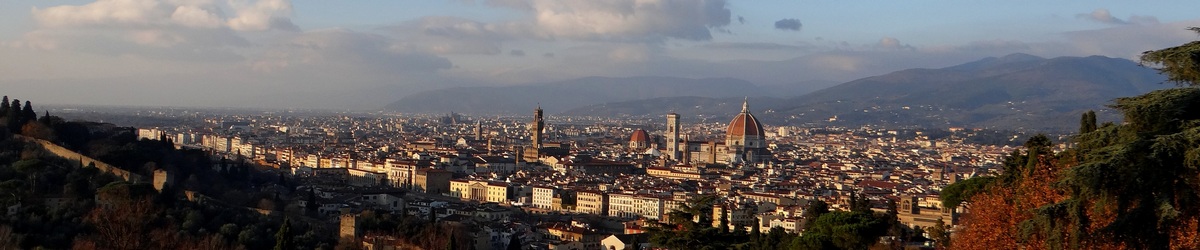
Ancient streets, ancient ruins and ancient art, explore the famous buried city of Pompeii!
Pompeii is probably one of the most well-known city in the world. It’s famous for being covered by the ash from erupting Vesuvius, leaving it remarkably preserved. Most Ancient Roman cities are still occupied, leaving Pompeii an unique time capsule from 79 CE.
Even though this was my fifth visit to Pompeii, I still found new things. Every time I go, different buildings are open and new buildings open up to visitors. I’ve written about a visit to Pompeii before, so in this post I’m going to feature places not covered in that post (mostly).
 Wandering Jana
 Porta Marina, the main entrance to Pompeii.
 Wandering Jana
 The Basilica.
 Wandering Jana
 A grand arch.
 Wandering Jana
 Intersection with a fountain.
 Wandering Jana
 Villa di Diomede, a large suburban villa outside the city walls. Hadn’t been in this one before.
 Wandering Jana
 It’s a multi-storied villa with a huge garden.
 Wandering Jana
 Down at the garden level are several decorated rooms, probably bedrooms.
 Wandering Jana
 Looks like this room had been redecorated from the red to white design.
 Wandering
 A lovely peristylium (peristyle), found in the Casa dei Dioscuri.
 Wandering Jana
 A wonderful frescoed room.
 Wandering Jana
 Temple of Fortuna Augusta.
 Wandering Jana
 One of the most elaborate villas in Pompeii is this one, Casa dei Vettii.
 Wandering Jana
 One very grand peristyle.
 Wandering Jana
 Lararium, an altar to the household guardian deities.
 Wandering Jana
 Another peristyle in the Casa degli Amorini Dorati.
 Wandering Jana
 It’s a shame more ceilings didn’t survive in Pompeii, because this one was gorgeous.
 Wandering Jana
 Casa delle Nozze d’Argento had a very grand atrium. I think that the fence blocks off some original plumbing for the fountain.
 Wandering Jana
 This villa also had a very grand dining room (triclinium).
 Wandering Jana
 Surviving cart ruts. Large stones were placed in the streets where crosswalks would be today. Even though the roads are paved, they would have been full of dirt, rubbish and horse dung.
 Wandering Jana
 Casa di Sirico‘s best preserved room.
 Wandering Jana
 And Casa di Sirico’s former residents.
 Wandering Jana
 Not all of Pompeii was as fancy of these houses. Here’s a bread oven.
 Wandering Jana
 Mosaic in the entryway of Domus M. Caesi Blandi.
 Wandering Jana
 A normal Pompeian street.
 Wandering Jana
 Vesuvius looming over the ancient city.
 Wandering Jana
 Many buildings in Pompeii were at least two stories if not more.
 Wandering Jana
 This main street through Pompeii was lined with shops and other businesses. The area behind the facade have not been excavated yet.
 Wandering Jana
 Rhinos? Casa di Larario di Achille.
 Wandering Jana
 Thermopolium di Vetutius Placidus. Thermopolia were Ancient Roman fast food places and restaurants typically.
 Wandering Jana
 Casa di Giulio Polibio. C. Iulius Polybius was involved in the administration of the city.
 Wandering Jana
 Casa del Frutteto has a cute, little atrium.
 Wandering Jana
 The house also has this wonderful room. Luckily the house wasn’t found until the 1950s, so the frescoes remain. Starting in the 20th century excavations, frescoes and mosaics were kept in situ if possible.
 Wandering Jana
 Absolutely amazing. I’ve only seen frescoes of this quality in museums.
 Wandering Jana
 The ceiling matched. My heart…
 Wandering Jana
 Just amazing.
 Wandering Jana
 Taberna di Sotericus. Ancient Rome even had taverns like we do today. This one also functioned as an inn.
 Wandering Jana
 They even frescoed in a little guard dog. Adorable.
 Wandering Jana
 The opulent garden of Casa di Octavius Quartio.
 Wandering Jana
 This may have been an outdoor dining area.
 Wandering Jana
 Venus in a shell. Casa della Venere in conchiglia.
 Wandering Jana
 The Amphitheater.
 Wandering Jana
 Ending with this fantastic fresco from the Casa dei Ceii.
This is only a small fraction of what I saw in Pompeii that day. I could go back for a sixth time and still see something new. Pompeii is definitely worth the day trip down from Rome, or nearby Naples. There is even more to find in the area as well.
Check out my next update where I explore Pompeii’s sister city, Herculaneum!
or
Start at the beginning of this adventure.
Share this:

Discover more from Wandering Jana
Subscribe to get the latest posts sent to your email.

