


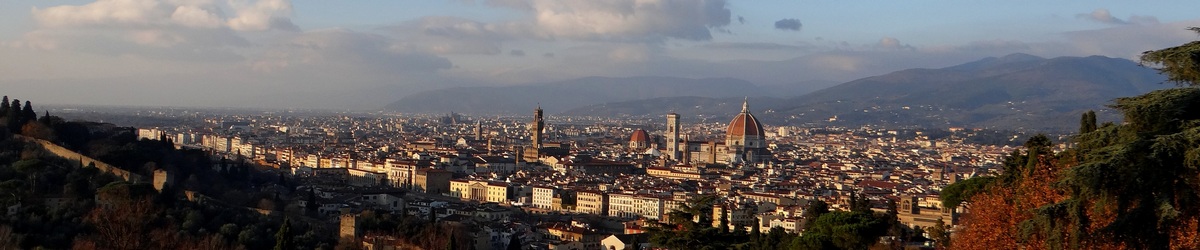
Explorations of a medieval city with a UNESCO worthy university!
Coimbra is one of the cultural centers of Portugal. While it only served as the capital city of Portugal from 1131-1255, the city retained its importance. The University of Coimbra was born (under a different name) in 1290 in Lisbon. It moved to Coimbra in 1308, then back to Lisbon, then back to Coimbra, then back to Lisbon, and finally settled down in 1597 in the Royal Palace of Alcaçova, where it remains to this day.

There it is, right at the top of the hill. Even back in the medieval period, Coimbra was separated into two parts, the Upper City (rich people area) and the Lower City (everyone else).

The Lower Town actually has the nicer, newer buildings now.

And a lot are gorgeous.

I arrived in the late afternoon after visiting Aveiro (last post). I didn’t really have a plan and I found myself going up the hill.

Torre de Almedina, a medieval defense tower protecting a route to the Upper City.

The rain decided that I was going into the Old Cathedral. This photo is from the next day.

Very, very Romanesque.

Can’t be a Portuguese cathedral without an insane altar.

Also can’t be a Portuguese cathedral without an insane chapel.

Gorgeous. The sides of the nave have niches like this one, some with tombs.

In the cloister during some very heavy rain.

The cloisters were constructed mostly after the cathedral was already finished. It’s a mix of Romanesque and Gothic styles.

Back in the Lower City.

São Tiago, a small Romanesque church. This photo is from day two. I came back for a better photo.
Now for day two. The weather was quite a bit better.

I headed straight to the Palace of Alcaçova where the University of Coimbra resides (now a more expanded campus).

Nothing was open yet, I just wanted to get photos before it was crowded.

The Biblioteca Joanina. It’s a stunning Baroque library, but it became popular online so you have to buy a timed ticket now. Had I had another day in Coimbra, I probably would have gone.

The Palácio Real and several other small museums are part of the ticket for the University. I didn’t go into the University museums in this area until later.

I started to walk down the hill for a bit and found the Arcos do Jardim, a 16th century aqueduct built on the foundations of an Ancient Roman one.

Already saw the Old Cathedral, now its time for the New Cathedral.

This one is nice but I definitely like the Old Cathedral better.

Has a giant reliquary for holding relics.

It’s still pretty even though it isn’t Romanesque.
This is where I went to the Science Museum of the University of Coimbra. I’m skipping that part. This post is already getting long.

Found the lovely University of Coimbra Botanical Garden.

It’s a lovely landscaped garden.

It even had a bamboo forest.

Mosteiro de Santa Cruz, which was a place of learning before the University was founded in Lisbon.

Azulejos (Portuguese painted tiles)!

The azulejos feature scenes that narrate Biblical scenes.

Very fancy.

The first king of Portugal, Afonso I (see Guimarães) was buried in the church. His remains were moved into this fancier tomb in the 16th century.

The Sacristy is insane.

The Chapter Room, constructed in the 16th century.

The cloister is very colorful.

High Choirs are always stunning.

These choir stalls are ridiculous.

The entire top of the stalls look like this.

Back to the main University building, the former royal palace, and I’m finally in São Miguel, the University’s chapel.

Love that color combo.

The university’s Grand Examination Room.

Sala do Exame Privado (Private Examination Room). It’s lined with portraits of 38 university rectors dating from the 16th to the 18th centuries. This room had previously been the private chambers of the king.
Coimbra is a fantastic town. You really need at least two full days to see everything. I squeezed as much as I could in my one day and a late afternoon and it was great, 10/10 will return.
Check out my next update where I explore the Ancient Roman city of Conímbriga!
or
Start at the beginning of this adventure!
Share this:

Discover more from Wandering Jana
Subscribe to get the latest posts sent to your email.

